
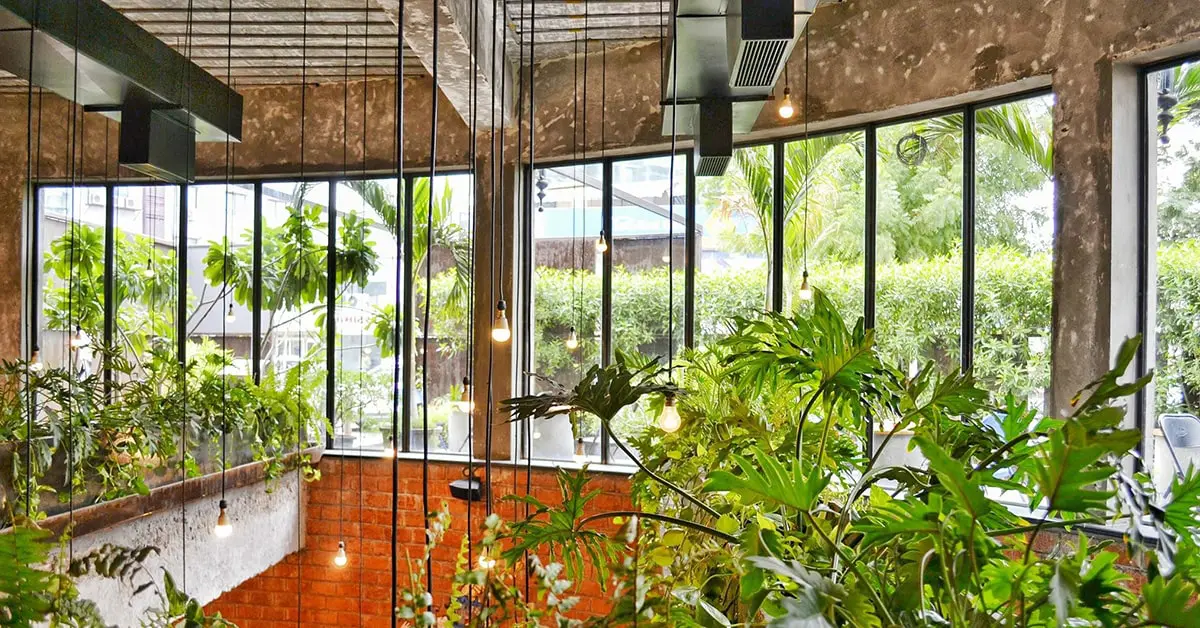
 label Declutter
- Plant Overgrowth Creates Visual Chaos: An uncontrolled proliferation of mismatched pots, nursery plastic sleeves, and yellowing leaves drains light.
- Tiered Plant Stands & Ceiling Hooks: Elevating foliage off tabletops and floorboards restores spatial flow and prevents moisture damage on flooring.
- Uniform Planter Palette: Consolidating greenery into neutral ceramic, terracotta, or matte-black pots creates a cohesive botanical aesthetic.
- Offload Bulky Potting Soil & Tools: Keep 25kg soil sacks, extra ceramic pots, and seasonal gardening tools in Self Storage India’s lockers in Delhi NCR.
Indoor gardening is one of the most rewarding pursuits for urban apartment dwellers. Lush green foliage purifies indoor air, provides psychological stress relief, and brings nature inside metro high-rises. However, many plant enthusiasts experience "plant hoarding syndrome", where dozens of mismatched pots, overgrown creepers, bags of potting mix, and propagation jars overtake windowsills and floors.
When Botanical Passion Turns Into Domestic Disorganization
A disorganized indoor jungle creates genuine household hazards: overfilled drainage saucers leak water onto wooden parquet floors, soil bags attract fungal gnats, and dense clusters of plants block natural sunlight from entering living areas.
By applying disciplined gardening editing and utilizing box storage or household goods storage for bulky soil and seasonal pots, your indoor garden transforms from a messy greenhouse into a polished botanical showcase.
6 Steps to Declutter and Curate an Indoor Plant Oasis
1 Ruthlessly Prune and Edit Unhealthy Foliage
Perform a thorough health inspection on every plant. Prune leggy stems, brown crispy tips, and pest-infested leaves using sterile shears. If a plant has suffered irreversible root rot or chronic spider mite infestations, discard it without guilt to protect the remaining collection.
2 Standardize Planters to a Cohesive Aesthetic Palette
Plants housed in flimsy black nursery plastic bags, repurposed food containers, or clashing neon pots look visually chaotic. Repot plants into a uniform palette, such as organic terracotta, white ceramic, or textured slate planters, to create architectural cohesion.
3 Elevate Greenery with Multi-Tiered Plant Stands
Do not scatter individual pots randomly across living room floors and coffee tables. Group plants onto vertical 3-tier bamboo or powder-coated metal plant ladders. Vertical stacking frees up walking paths while creating dramatic green focal points.
4 Organize Propagation Jars and Cuttings
Windowsills overcrowded with random water glasses rooting pothos or monstera cuttings look unkempt. Consolidate plant cuttings into a streamlined wall-mounted glass test-tube propagation station, freeing windowsill surfaces completely.
5 Offload Heavy Soil Sacks and Spare Ceramic Pots Off-Site
Bags of vermicompost, perlite, cocopeat bricks, and extra winter planters take up substantial floor area in laundry utility rooms. Store bulk gardening supplies in a secure Self Storage India mini-locker, retrieving only small quantities when repotting.
6 Adopt the "Rule of Three" Display Principle
Interior botanical stylists recommend arranging houseplants in vignettes of three distinct heights: one tall architectural plant (Fiddle Leaf Fig or Bird of Paradise), one mid-height bushy plant (Calathea or Peace Lily), and one cascading trailing vine (Philodendron).
Plant Setup Comparison: Overgrown Jungle vs. Curated Oasis
The 5-Step Indoor Botanical Triage Framework
When plant passion leads to overcrowded living rooms and balconies, apply this botanical triage:
- Healthy & Thriving: Keep pride-of-place plants near sunny windows and balconies with proper drainage trays to protect flooring.
- Propagating & Recovering: Consolidate small nursery cups and cuttings onto a single tiered rolling metal plant cart.
- Dead or Irreversibly Infested: Discard dead foliage and disease-ridden soil immediately to prevent spider mite and fungus gnat spreads.
- Surplus Pots, Soil & Tools: Move bulky bags of vermicompost, perlite, spare ceramic planters, and garden sprayers into off-site self-storage lockers.
| Garden Aspect | Disorganized Plant Cluster | Curated Indoor Oasis |
|---|---|---|
| Light Penetration | Windows blocked by cluttered pots | Optimal sunlight filtration across room |
| Maintenance Time | High (Cleaning leaked water and dropped leaves) | Low (Streamlined watering on tiered stands) |
| Pest & Mold Vulnerability | High (Gnats breeding in damp soil bags) | Zero (Soil stored off-site in sealed totes) |
| Visual Aesthetics | Nursery warehouse clutter | Architectural botanical centerpiece |
Organize Your Indoor Garden & Plant Collection
Clear broken pots, muddy soil sacks, and surplus gardening tools. Clean, private storage lockers across Delhi, Gurugram & Noida.
Frequently Asked Questions (FAQ)

Callback Requested!
Our storage specialist will call you within 15 minutes.