
 label Business
Before renting storage for your business, ask who can open the unit, who holds the keys, whether CCTV runs 24/7, how staff access works, how pest control is handled, what's prohibited and how insurance works. Self Storage India offers private, lockable rooms with 24/7 CCTV, regular pest control and monthly plans with no lock-in.
If your business stores stock, files or equipment off-site, the facility's access and security setup matters as much as the price. Before you sign, visit the facility and ask direct questions. This guide lists the questions to ask and what to check for yourself.
Who can get into your unit?
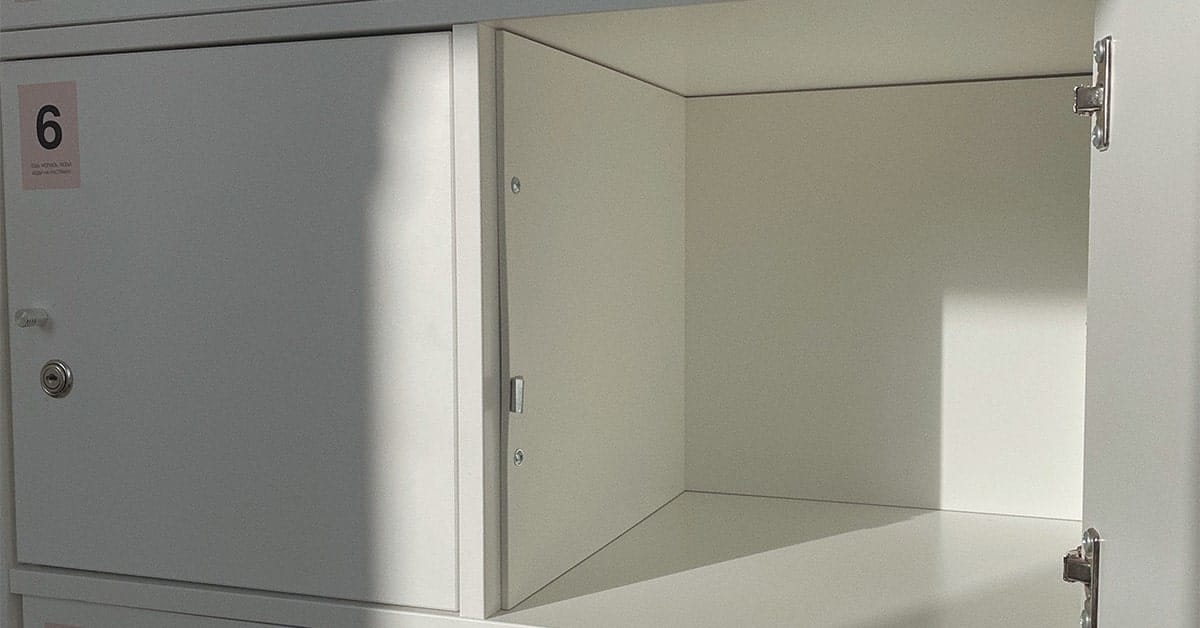
Ask whether your unit is private and lockable, who holds the keys, and whether staff can open it. At Self Storage India, every unit is a private, lockable room. Ask our team how access works at the facility you choose.
What questions should you ask before signing?
| Question | Why it matters |
|---|---|
| Is the unit private and lockable? | Your stock should be in a room only your team uses |
| Who holds the keys? | You should know exactly who can open the unit |
| Is there CCTV, and is it on all day? | Recording helps if something goes wrong |
| How do my staff get access? | Plan who visits and when |
| How is pest control handled? | Pests can damage paper, cartons and fabric |
| What items are not allowed? | Some goods are prohibited for everyone's safety |
| Can you arrange insurance? | Know how your goods are covered while stored |
| Is there a lock-in period? | Business needs change; flexibility helps |
What security does Self Storage India offer?
- Private, lockable rooms.
- 24/7 CCTV.
- Regular pest control.
- Monthly plans with no lock-in.
- Insurance: we can facilitate insurance coverage options through our insurance partners. Read our storage insurance guide.
Our Gurugram facility in Sector 34 lists biometric access logging and fire protection systems on its page. Ask our team what applies at the Noida or Delhi facility you're considering.
What should you look for when you visit a facility?
A visit tells you more than a brochure. Walk through the facility before you sign and notice:
- The entrance. Is there a staffed reception or a controlled entry point? Who checks visitors?
- Cameras. Can you see CCTV covering entrances, corridors and loading areas?
- The units. Are doors solid and lockable? Does each unit look private, with no shared access?
- Cleanliness. Clean corridors and floors suggest regular upkeep and pest control.
- Signs of damp. Look for stains on walls or ceilings, musty smells or water marks on floors.
- Loading space. Is there room for a vehicle to load and unload safely?
- Fire safety. Ask what fire protection is in place at that particular facility.
What should you check in the agreement?
| Check | Why |
|---|---|
| Who the agreement is with | Your business name and authorised signatory should be correct |
| The monthly charge and what it includes | Avoid surprises about extra charges |
| Notice period and lock-in | Know how and when you can end the plan |
| Prohibited items | Make sure your stock is allowed |
| Access arrangements | Know how and when your team can visit |
| Insurance | Understand what's covered and what isn't |
| Pickup and transport | Know whether these are included or extra |
Read the agreement fully and ask about anything that isn't clear before signing.
What are the main security risks for business stock?
- Unauthorised access by someone who shouldn't have a key, including former staff.
- Stock going missing without anyone noticing, because there's no inventory.
- Damage from damp or pests, which can be as costly as theft.
- Fire, made worse if prohibited items are stored nearby.
- Damage during handling, when loading and unloading in a hurry.
Good facility security covers some of these. Your own processes, such as access lists, inventories and careful packing, cover the rest.
What processes should your business set up?
- Write an access policy. List who can visit, who holds keys and what happens when someone leaves.
- Keep a visit log. Date, person, purpose, and items in or out.
- Do regular stock checks. Compare the inventory with what's in the unit, monthly or quarterly.
- Report problems quickly. If you notice damage, damp or a missing item, tell the facility straight away.
- Review insurance yearly. Update the value of stored goods as stock changes. See storage insurance in India.
Do households need to ask the same questions?
Yes, most of them. Households storing furniture and belongings should still ask who can access the unit, what security is in place, how pest control works, what's not allowed and whether there's a lock-in. A household may visit less often, so pest control and damp protection matter even more. See self storage vs a relative's house for comparing options.
What are warning signs to watch for?
- Staff who can't explain who has access to units.
- No visible CCTV, or cameras that look broken.
- Units with shared or open access.
- Damp walls, standing water or a musty smell.
- No clear list of prohibited items.
- Pressure to sign a long lock-in.
How does packing affect security?
Security isn't only about locks and cameras. How you pack and arrange stock also makes it harder for things to go missing or get damaged.
- Seal cartons with tape so you can see if one has been opened.
- Number every carton and match it to your inventory.
- Don't write high-value contents on the outside; use codes that match your list.
- Keep higher-value stock at the back of the unit, behind bulkier, lower-value items.
- Keep stock off the floor on pallets or shelves to protect it from damp.
- Leave a walkway so stock checks are quick and thorough.
See arranging a storage unit for layout ideas.
What should you do if something goes wrong?
- Tell the facility team straight away, and note the date and time.
- Take photos of the damage or the area where items are missing.
- Check your inventory and visit log to work out what's affected and when it was last seen.
- Contact your insurer if you have cover, with your photos and inventory.
- Review your access list and change who holds keys if needed.
How do you brief staff who visit the unit?
Give every team member who visits a short note covering: the facility address, what they're allowed to collect, how to record what they take, what can't be stored, and who to call if something looks wrong. A one-page note taped inside the unit door helps new staff follow the same process.
What can't a business store?
Perishables, hazardous chemicals, flammables, explosives, illegal items and living organisms aren't allowed. Gas cylinders are also not allowed. Jewellery, cash and priceless items are discouraged. See what can and can't be stored.
How should you manage staff access?
- Name the staff members who may visit the unit.
- Decide who keeps the key and where spares are kept.
- Log each visit: date, person and what went in or out.
- Keep an inventory and check it regularly. Use our inventory list template.
- Review the access list when staff leave.
Not sure how much space you need? Read choosing a business unit size or use the storage calculator, then click "Get Free Quote".
Facility security checklist
- Visited the facility
- Confirmed the unit is private and lockable
- Asked who holds keys
- Checked CCTV coverage
- Asked how staff access works
- Asked about pest control
- Read the prohibited-items list
- Asked about insurance options
- Confirmed no lock-in
- Set up a visit log and inventory
Disclaimer: this article gives general guidance. Security features vary by facility, so confirm details with our team before you book.
For household customers, read how access and visits work.
Frequently Asked Questions
Yes. Every unit is a private, lockable room.
Yes, facilities have 24/7 CCTV.
Our Gurugram Sector 34 facility page lists biometric access logging. Ask our team about other facilities.
We can facilitate insurance coverage options through our insurance partners.
Perishables, hazardous chemicals, flammables, explosives, illegal items, living organisms and gas cylinders.
Click Get Free Quote for a callback, or call +91-9090206090.
Sources and notes
Checked 1 Nov 2026.
- Unit features, plans and insurance: Self Storage India home page.
- Biometric access logging and fire protection (Sector 34): Gurugram page.
- Prohibited items: storage rules and city pages.