
 label Business
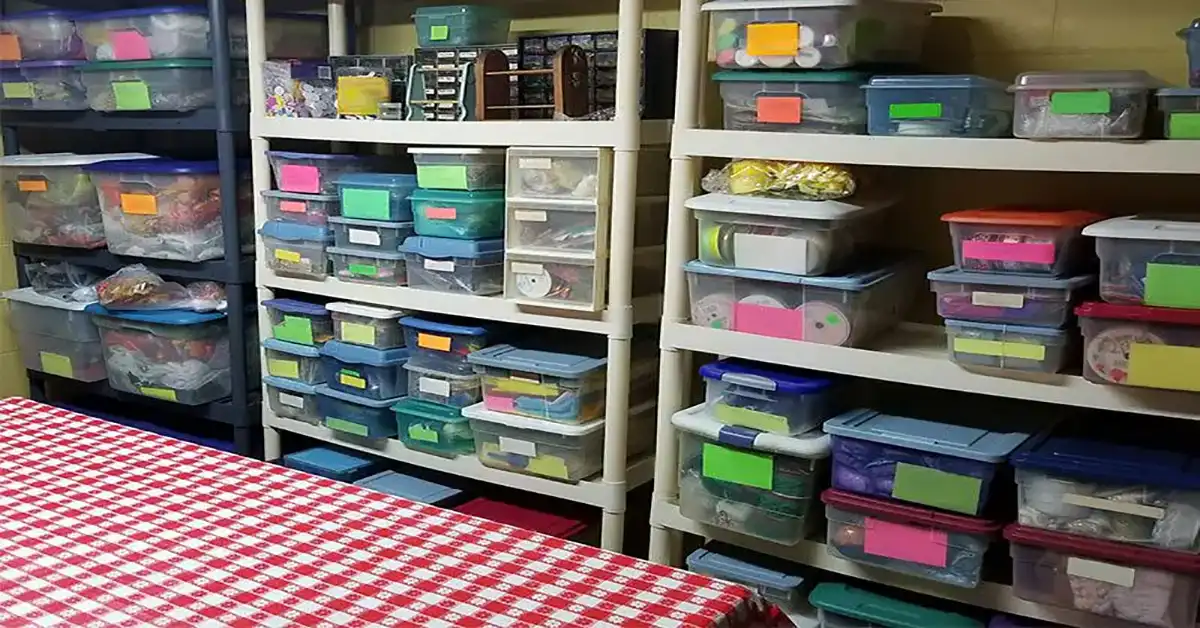
Store product samples, swatch books, catalogues and point-of-sale material in a nearby room, sorted by brand and kept apart from saleable stock. Keep food, chemical and fuel samples out. Build ready kits for your sales team and keep a register. Self Storage India offers private, lockable rooms with 24/7 CCTV, regular pest control, monthly plans with no lock-in and a GST invoice for business customers.
- Why do distributors need separate storage for samples?
- What should a distributor store?
- How should samples be sorted?
- How should catalogues and price lists be handled?
- How do you keep a sales team supplied?
- How should display units and point-of-sale material be stored?
- Why not let sales staff keep samples at home?
- How do you handle samples a brand no longer needs?
- How do you plan for launches and trade seasons?
- How do you keep track of samples?
- How does billing work for distributors?
- Why use Self Storage India for trade samples?
- Distributor sample storage checklist
- FAQs
- Sources and notes
Distributors, stockists and wholesale agents in Delhi NCR live on samples and catalogues. Each brand you carry sends display samples, swatch books, product catalogues, price lists and point-of-sale material, and your sales team needs the right ones in hand before every retailer visit. In a small office or a shared godown, these get mixed up with saleable stock, damaged or lost. A nearby storage room keeps samples and catalogues organised by brand and ready to pick up. This guide covers what to store, how to sort it and how to keep a sales team supplied.
Why do distributors need separate storage for samples?
- Many brands, many kits. Each principal company sends its own samples, catalogues and display material.
- Samples are not stock. Mixing samples with saleable stock leads to counting errors and samples being sold by mistake.
- Office space is limited. Cartons of catalogues take over desks and meeting rooms.
- Launch cycles. New catalogues and samples arrive in bulk before a launch or a trade season.
- Field teams. Sales staff need a dependable place to collect and return kits.
What should a distributor store?
| Item | Store off-site? | Notes |
|---|---|---|
| Product display samples | Yes | Boxed by brand and range |
| Swatch books and sample boards | Yes | Stored upright, away from direct light |
| Catalogues and price lists | Yes | Current editions only, older ones recycled |
| Point-of-sale material and standees | Yes | Packed as kits by brand |
| Retailer display units | Yes | Dismantled and wrapped |
| Sales records and agreements | Yes | Boxed and indexed by year |
| Food and beverage samples | No | Food can't be stored |
| Chemical and cleaning product samples | No | Chemicals are prohibited |
| Fuel or gas-based products | No | Fuel is prohibited |
FMCG distributors often handle food, drinks and household chemicals. Keep those samples at your office or a suitable godown, and store only the non-food, non-chemical material. If you are unsure about a product, check what can and cannot be stored or ask the team before you pack.
How should samples be sorted?
- Separate by brand. Give each principal company its own shelf or bay, with a clear sign.
- Group by range or season. Within a brand, group samples by product line or launch.
- Use uniform boxes. Same-size cartons stack safely and make counting easier.
- Label every box. Note brand, range, contents, quantity and date received.
- Mark samples clearly. Tag sample cartons so they are never confused with saleable stock.
Read how to stack things inside a storage room and how to label boxes.
How should catalogues and price lists be handled?
Catalogues are heavy, take up space and go out of date. Keep only the current edition in quantity, and recycle older ones once a new catalogue arrives, so retailers never see old prices or discontinued products. Store cartons on shelves or pallets rather than on the floor, and add silica gel packs during the monsoon to protect paper. Keep one archive copy of each edition in a labelled file box if you need it for reference. Our guide to storing marketing material has more detail.
How do you keep a sales team supplied?
Field sales staff work faster with ready-made kits. Build a standard kit for each brand or route, with samples, catalogues, price lists and order forms, and pack several at once. Keep the kits near the door of your room. Ask staff to sign kits in and out on a simple sheet, and restock them on a fixed day each week. Returned samples should be checked for damage before going back on the shelf. This routine saves time on busy days and reduces the number of samples that go missing.
How should display units and point-of-sale material be stored?
Brands often supply display stands, shelf strips, danglers and standees for retailers. Dismantle stands where possible, bag their fittings and wrap panels with corner guards. Store standees upright and flat displays on shelves. Pack each brand's point-of-sale material as a kit with a contents list, so a merchandiser can collect everything for a store in one visit. Read how to store display fixtures.
Why not let sales staff keep samples at home?
Many small distributors let each salesperson keep a set of samples at home. It saves office space, but it creates problems over time. Samples spread across several homes are hard to count, staff who leave may not return everything, and a new catalogue means collecting old ones from every house. A central storage room near your office or main route keeps every sample in one place, with one register and one set of keys under your control. Staff can still carry a small daily kit, but the master stock stays with the business.
How do you handle samples a brand no longer needs?
When a brand discontinues a range or ends a distribution agreement, its samples and catalogues can sit unused for years. Agree with the principal company whether samples are to be returned, destroyed or kept, and note this in your register. Return or dispose of them promptly, and recycle outdated printed material. For small distributors with only a few cartons, box storage is priced per box, which can suit low volumes. If volumes grow, ask the team about moving to a room.
How do you plan for launches and trade seasons?
Distribution follows the retail calendar. Stock and samples build up before festive seasons, wedding seasons and new brand launches, then ease off. Clear space in your room before a launch so new samples go straight onto labelled shelves. After a season, return or dispose of samples the brand no longer needs, as agreed with the principal company. Plan visits for quieter weekdays and confirm the facility's operating hours with the team before a big intake. Read how access hours and visits work.
How do you keep track of samples?
Keep a register with brand, item, quantity, date received, who has it and where it sits in the room. Update it whenever a kit goes out or comes back. Share the sheet with your sales team so they can check what is available before they visit. Our inventory guide shows a format you can use. Insurance for stored goods can be facilitated via partners; read how storage insurance works.
How does billing work for distributors?
Costs depend mainly on the space you use and how long you use it. Monthly plans have no lock-in, which suits stock levels that change with the season. Business customers can get a GST invoice. Partner pickup, packing and transport are available across Delhi NCR at an additional cost; see how pickup works. Use the storage calculator to estimate space, and read how business storage is billed.
Why use Self Storage India for trade samples?
- Private, lockable rooms; you use your own padlock and keep the only key.
- 24/7 CCTV and regular pest control.
- Monthly plans with no lock-in.
- GST invoice available for business customers.
- Partner pickup, packing and transport at an additional cost.
Facilities are in Noida, Delhi and Gurugram. Click "Get Free Quote" for a callback.
Distributor sample storage checklist
- Samples separated from saleable stock
- Food, chemical and fuel samples kept out
- Shelves assigned by brand
- Boxes labelled with brand, range and quantity
- Old catalogues and price lists recycled
- Sales kits packed and placed near the door
- Sign-out sheet set up for the sales team
- Display units dismantled and wrapped
- Register shared with the team
- GST details shared for invoicing
- Quote requested
Disclaimer: this article gives general guidance. Follow your agreements with principal companies on handling and returning samples.
Frequently Asked Questions
Display samples, swatch books, catalogues, price lists, point-of-sale material and boxed records.
No. Food can't be stored.
Keep them in a separate room or bay, tagged clearly as samples.
No. Plans are monthly with no lock-in.
Yes. Business customers can get a GST invoice.
Click Get Free Quote for a callback, or call +91-9090206090.
Sources and notes
Checked 1 Nov 2026.
- Unit features, plans, GST invoice and pickup: Self Storage India home page.
- Items to avoid storing: what can and cannot be stored.